By Mercy Nyaga
For nearly two years, Erick Kipyego’s desk at Kerita Primary School remained untouched. It stood as a quiet reminder of a child forced out of the classroom by illness and circumstance, an absence that spoke louder than words. At 14, Erick should have been settling into Grade 7 alongside his peers. Instead, a mysterious condition marked by severe limb swelling and muscle wasting gradually took away his ability to walk. By 2022, he was fully dependent on his parents, who carried him from one room to another in their home in Uasin Gishu County.
With no clear medical diagnosis and limited access to specialized healthcare, Erick’s family turned to traditional herbal remedies in search of relief. As his condition worsened, hopes of returning to school began to fade. Slowly, Erick became one of many children with disabilities hidden from formal systems, not by choice but by distance, poverty, and lack of information.
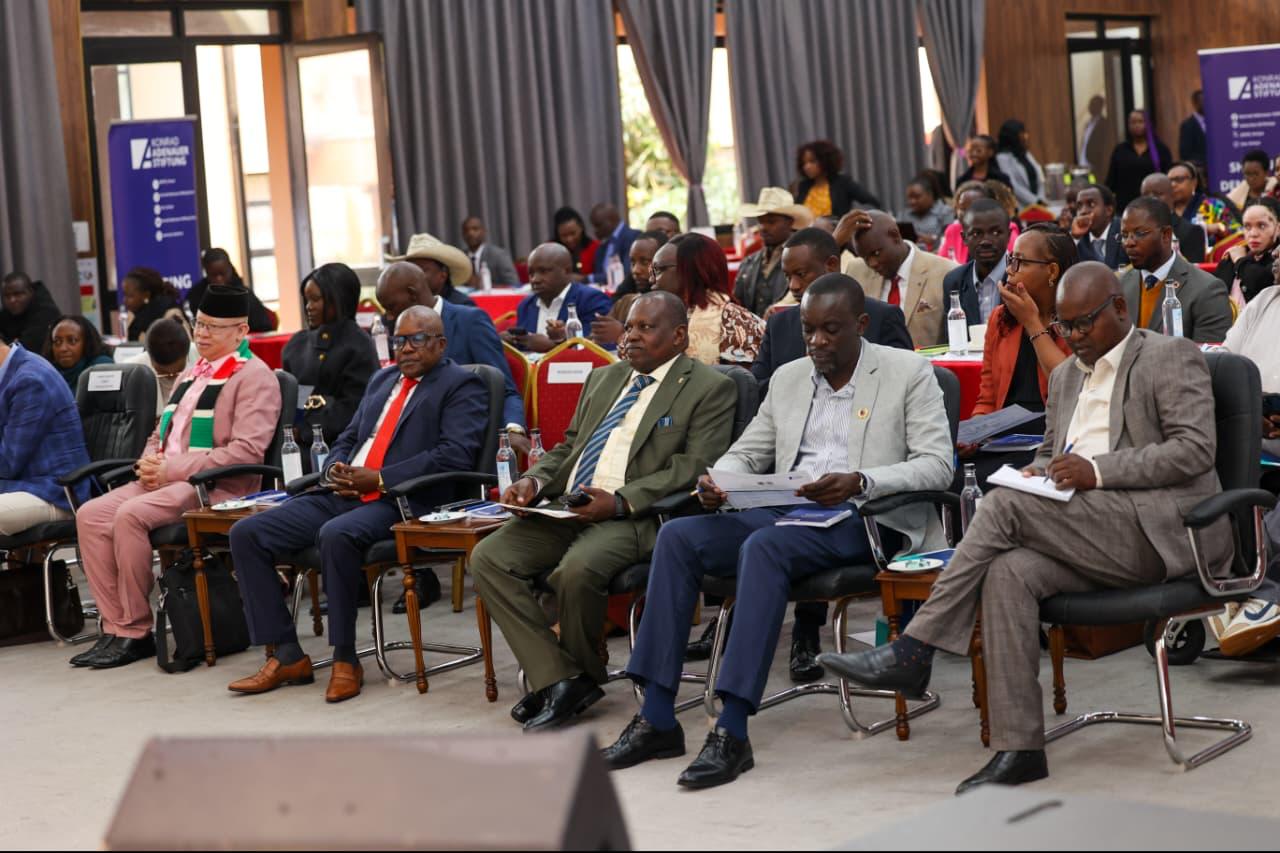
A Turning Point in Kesses: That reality changed during the recent KISE Mashinani Outreach in Kesses Sub-county on January 22nd 2026. The outreach was conducted through a collaborative effort bringing together KISE and key partners, including the Clinton Health Access Initiative (CHAI), the National Council for Persons with Disabilities (NCPWD), Modern Solutions Limited, and the Association of County Students’ Associations Presidents–Kenya (ACSAP-K). The partnership ensured comprehensive assessment, assistive support, medical linkage, and community engagement.
During the exercise, Erick was identified and assessed by a multidisciplinary team from the Kenya Institute of Special Education (KISE). The outreach, part of a government led effort to strengthen disability inclusion, places professional assessment at the center of effective intervention. “Our mandate is to assess. When you assess, you are able to determine the right support and intervention for the child,” said Dr. Norman Kiogora, Director of KISE. For Erick, the assessment marked an immediate and life-altering shift.
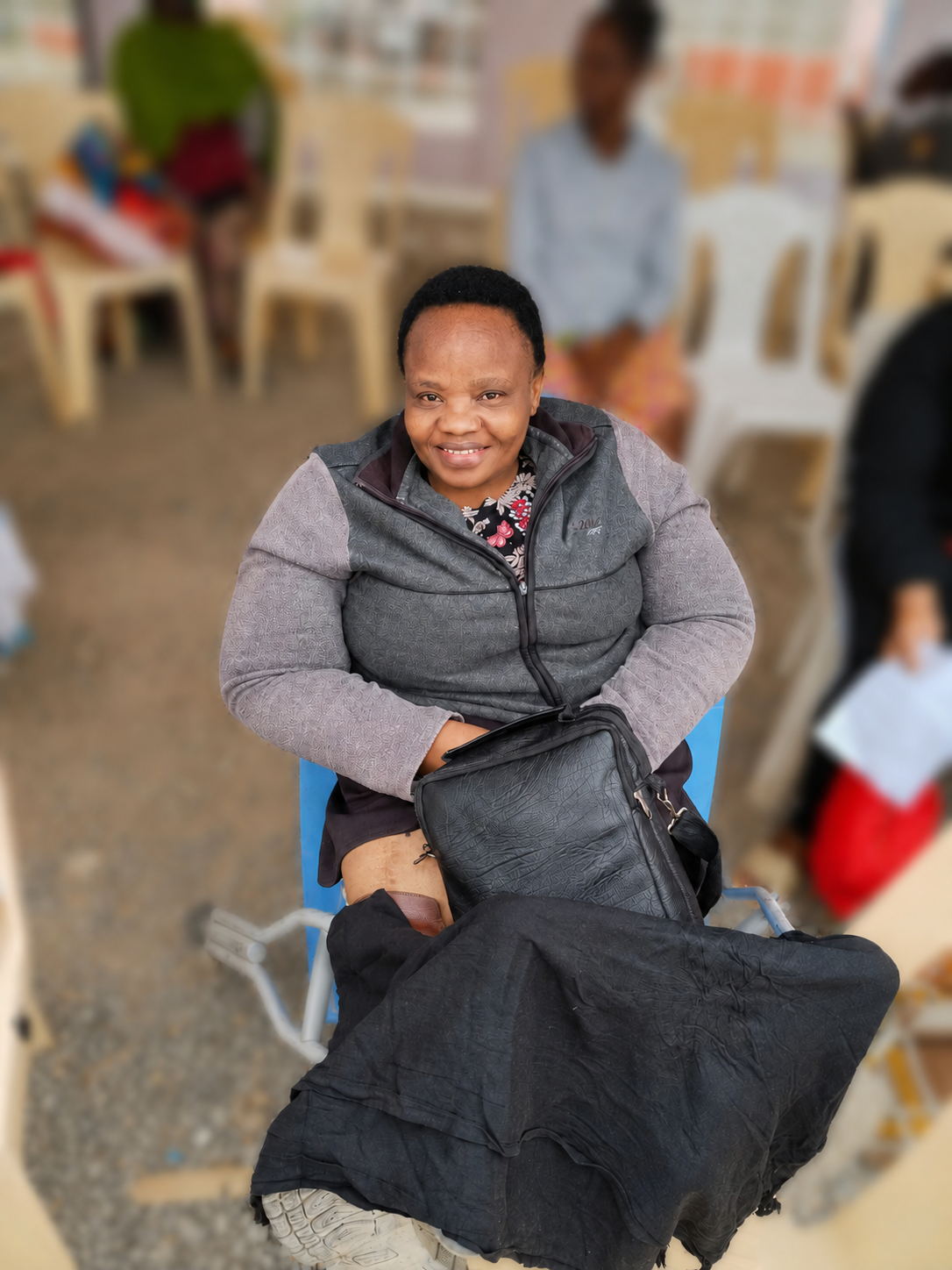
From Isolation to Support: Following the evaluation, the KISE team implemented a series of on the spot interventions that transformed Erick’s daily life. He was fitted with a specialized wheelchair provided by KISE through its partner, Modern Solutions, restoring independent movement for the first time in years. Beyond mobility, Erick was officially registered with the National Council for Persons with Disabilities (NCPWD), integrating him into the national social protection framework. He was also referred to qualified medical professionals, transitioning from unregulated alternatives to evidence based clinical care. Together, these steps addressed more than Erick’s physical needs. They reopened the path to education, visibility, and social participation.
KISE Mashinani. Reaching the Unreached: Erick is one of thousands of children identified through KISE Mashinani, an outreach initiative operating under a presidential directive to expand access to disability assessment and support services nationwide. In the current financial year alone, KISE teams have reached 22 counties, including remote and historically underserved regions such as Mandera, Wajir, and Turkana.
The outreach model is anchored on three core pillars: the provision of assistive devices such as wheelchairs, white canes, and hearing aids; holistic care through essential supplies like diapers and nutritional supplements; and educational re entry for children who have been out of school some for more than a decade ,into appropriate learning environments.
A Lasting Impact in Uasin Gishu: The impact of the outreach in Chebolol has extended beyond individual families. In a significant show of community commitment, local residents have donated 26 acres of land for the construction of an EARC center. Once completed, the facility will ensure early identification, timely intervention, and reduced travel barriers for families seeking assessment and support services.
For children like Erick, it means fewer years lost waiting for answers. As he navigates his surroundings in his new wheelchair, Erick’s story reflects more than personal resilience. It underscores the power of bringing services closer to communities and the difference that timely assessment can make. His desk will no longer sit empty.
Related Posts
The Empty Desk No More: How Erick Kipyego Found His Way Back to School
By Mercy Nyaga For nearly two years, Erick Kipyego’s desk at Kerita Primary School remained…
UNDERSTANDING CEREBRAL PALSY: WHAT EVERY PARENT AND CAREGIVER SHOULD KNOW
By Dr.Lynett Ongera & Margaret Makunja edited by Luke Lekishon The word ‘cerebral’ refers to…
KISE–MUST MoU Sets the Pace for Inclusive and Technology-Driven Education
By Nadia Muthoni The Kenya Institute of Special Education (KISE) and Meru University of Science…
Threads of Strength: Deborah’s Story of Rising Beyond Disability
By Nadia Muthoni Meet Deborah, from the heart of Nyandarua ,a woman whose life is…