
Research by Dr. Lynett Ong'era article by Luke Lekishon edited by Nadia Muthoni
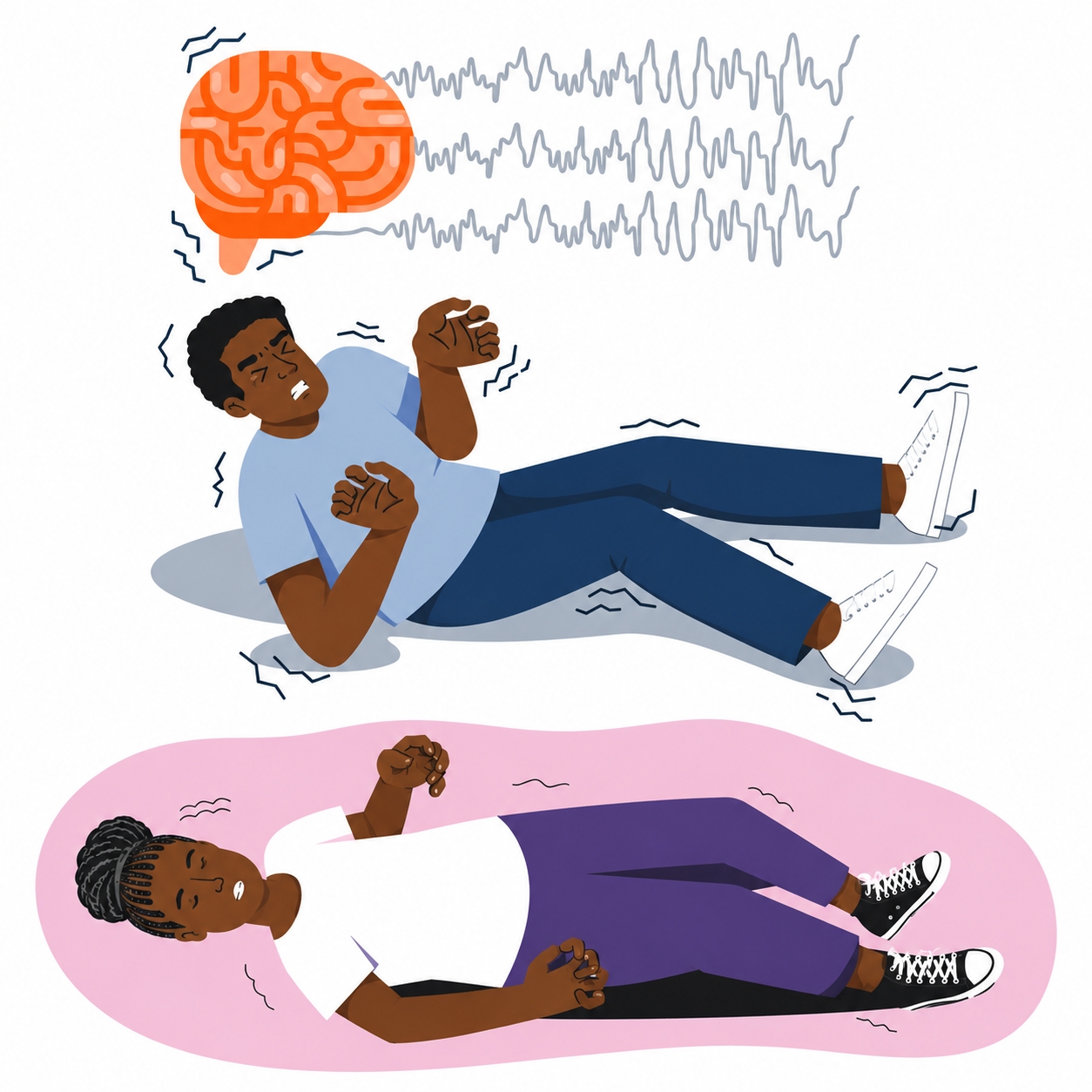
Epilepsy is a general term used to describe a chronic neurological condition that affects the brain and causes a person to have recurrent, unprovoked seizures. Fits, also called seizures or convulsions, are sudden and usually brief periods of unconsciousness or changes in mental state, often with strange jerking movements. Seizures occur as a result of abnormal electrical activity in the brain, which can temporarily disrupt how a person moves, feels, thinks, or behaves. The experience of a seizure can vary widely from brief staring spells or sudden confusion to loss of consciousness and convulsions.
There are different kinds of epileptic seizures and a wide variety of causes. Until recently, it was poorly understood and thus very much feared. As recently as the 1960s, people with epilepsy were prevented from marrying, driving cars or working in certain kinds of jobs. Job discrimination has probably been more widespread for epileptics than for any other handicapped group.
There are four types of seizures. These are: Grand mal seizure, Petit mal seizure, Jacksonian seizure and Psychomotor seizure. Grand mal seizure is characterised by an individual quickly losing consciousness and falling to the ground as all the muscles tighten up. After a few seconds, the person starts to thrash around violently. This phase called the clonic stage. It is quite dangerous because the person may injure themselves as they bang into walls, furniture, or the floor and they may also bite their tongue or lips. It is characterised by frothing at the mouth and the whole episode is frightening to observers. After several minutes of the clonic stage, the individual lapses into a coma-like sleep which may last for several hours. When the person awakens, they have no recollection of the seizure but they know that one has occurred.
Petit mal seizure is far less serious and is characterised by a lapse of consciousness that may last a few seconds. The person may blink their eyes rhythmically, experience a sudden jerking, loss of posture and drop what they are doing. However, there is no thrashing around violently as in grand mal seizures. Petit mal seizures are more frequent in children and tend to clear up with age.
Jacksonian seizure is characterised by a twitch or jerk that begins in one location in the body, such as a limb or a side of the face, and gradually spreads to other parts. This seizure sometimes spreads to affect the entire body, and thus becomes a grand mal seizure, or may remain localised to one part.d.
Psychomotor seizure is a general term that encompasses a variety of conditions characterised by convulsions or blackouts. The individual may suffer distortions of perception, such as déjà vu, and he or she may engage in incoherent muttering or bizarre behaviour, such as buttoning and unbuttoning their shirt. The person appears to be in a sort of trance, and although they don’t lose consciousness, they will not remember their actions.
Epileptic seizures result from sudden bursts of abnormal electrical activity in the brain. Epilepsy is found more frequently in case of: birth complications, lead poisoning, Encephalitis (inflammation of the brain tissue), injury to the brain and when there are hereditary factors. Epilepsy generally begins in the specific region where damage has occurred.
Epilepsy can be treated using drugs such as Phenobarbital, Dilantin and Carbamazepine. As long as a person has epilepsy, which may be for years or all their life, they must continue to take anti-seizure medicine. A very rare treatment used in stubborn cases is the surgical removal of the diseased brain tissue. This operation is meant to eliminate the affected area so that the person can live seizure free.
If you encounter a person having a seizure, there are a number of first aid rules to adhere by even if you are not a licenced professional. First, keep calm. The person is not in pain, they are not suffering and they are not in any danger. Do not attempt to stop the attack once it has started. Let the seizure run its course, which usually takes a few minutes. Ease the person to the floor, loosen tight clothing, but do not restrain his or her movements. Turn the person’s face to the side to allow flow of saliva and make certain that the person’s breathing is not obstructed. You can place a coat under their head.
Do not force open clenched jaws and do not place anything between the person’s teeth (never place a finger in their mouth). Do not give the individual anything to drink. Stay with the person until all movement has ceased and they have recovered their consciousness fully. Do not be frightened if the person with the seizure appears not to be breathing for a while, or may be breathing poorly, it is all part of the process. Carefully observe the details of the attack so that it can be reported to the person’s family or physician.
In conclusion, epilepsy is a widespread but highly manageable neurological disorder affecting millions worldwide. By creating more awareness of seizure safety, and prioritizing compassionate holistic care, we can significantly improve the daily lives of patients. With the right clinical support and unwavering community backing, those living with epilepsy can achieve stability and thrive.
Related Posts
BEFORE YOU ASSUME: HERE ARE 5 THINGS SOCIETY GETS WRONG ABOUT DISABILITY
Article by Nadia Muthoni He had learned to read the room before the room could…
A Legacy of Impact: KISE Mourns the Passing of KISE Council Chairman Habat Sheikh Abdi.
By Josephine Nkuubi The Kenya Institute of Special Education is mourning the sudden demise of…
The Nurse Who Can Smell Parkinson’s and Other Facts About Parkinson’s Disease
Research by Jane Kwamboka Nyamongo, article by Luke Lekishon What does Parkinson’s smell like? “It…
SMALL STEPS, BIG VICTORIES: INSIDE A MOTHER’S JOURNEY OF HOPE, HEALING, AND MILESTONES
By Nadia Muthoni It was a simple gesture, yet deeply profound, a parent walking into…