Article by Nadia Muthoni
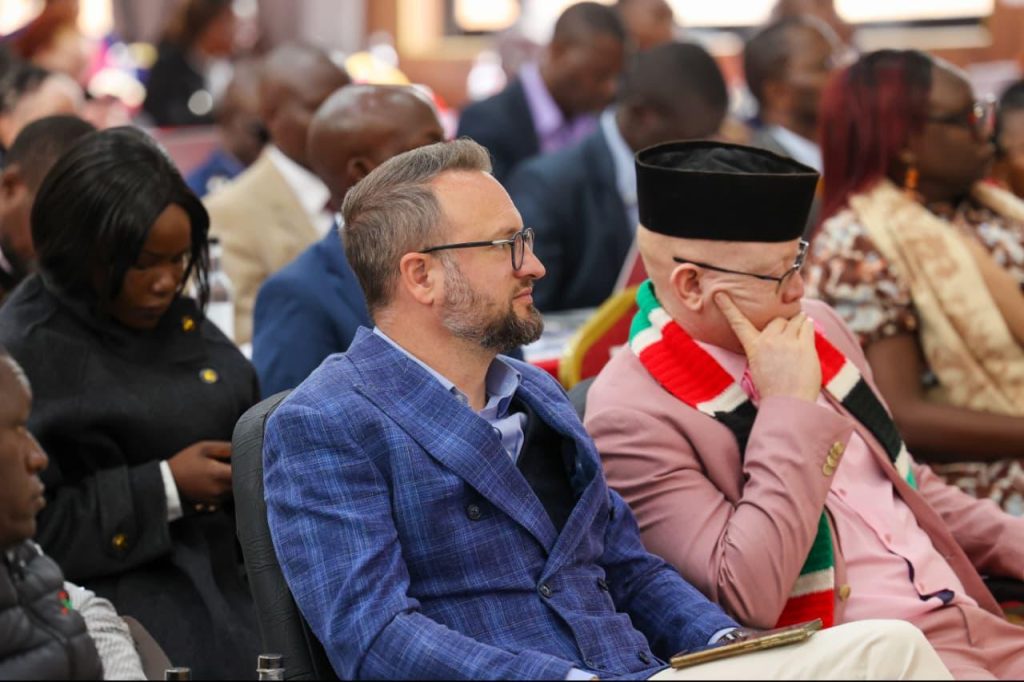
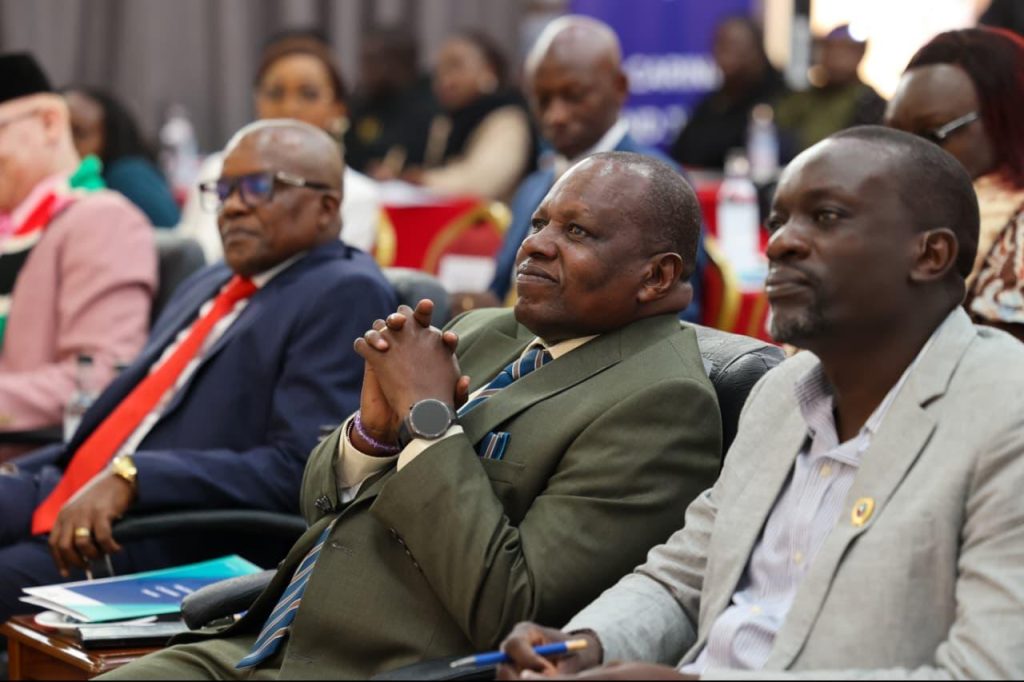
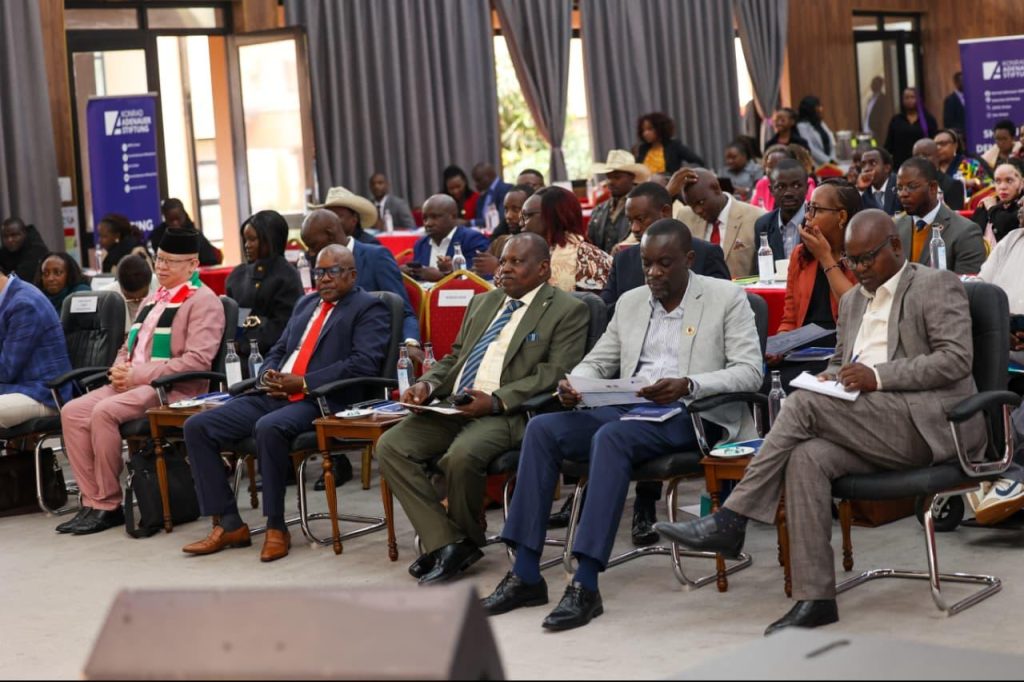
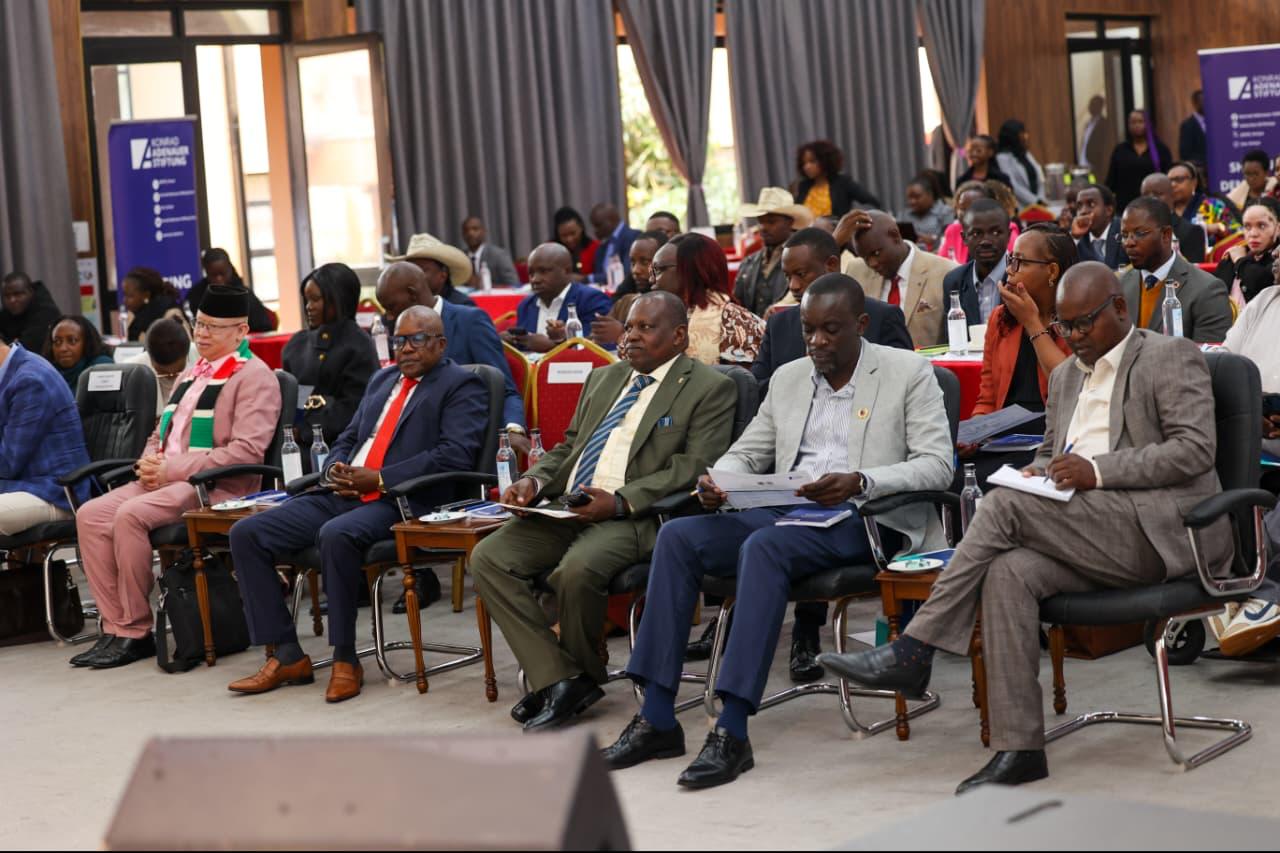
For years, the story of disability inclusion in Kenya has too often been told about persons with disabilities rather than with them. That changed recently ,at the Kenya Institute of Special Education (KISE), where stakeholders from government, development partners, the private sector and disability-rights organisations sat down together, not to talk at each other, but to listen.
It was a breakfast meeting on paper. In practice, it was something closer to a reckoning. A room full of voices, finally in One Place. Convened by the Head of Office of Diversity, Inclusion and Disability Rights Hon. Isaac Mwaura in the Executive Office of the President. The forum brought a rare mix of people into a single room: policymakers, technocrats, corporate representatives and most importantly the organizations and individuals who live the reality of exclusion every day. Many stood up to speak not just for themselves, but as the voice of others who could not be in the room.
The ambition on the table was not modest but an environment where persons with disabilities do not simply appear as line items in policy documents, but genuinely access education, jobs, technology, healthcare and social services on equal footing with everyone else.
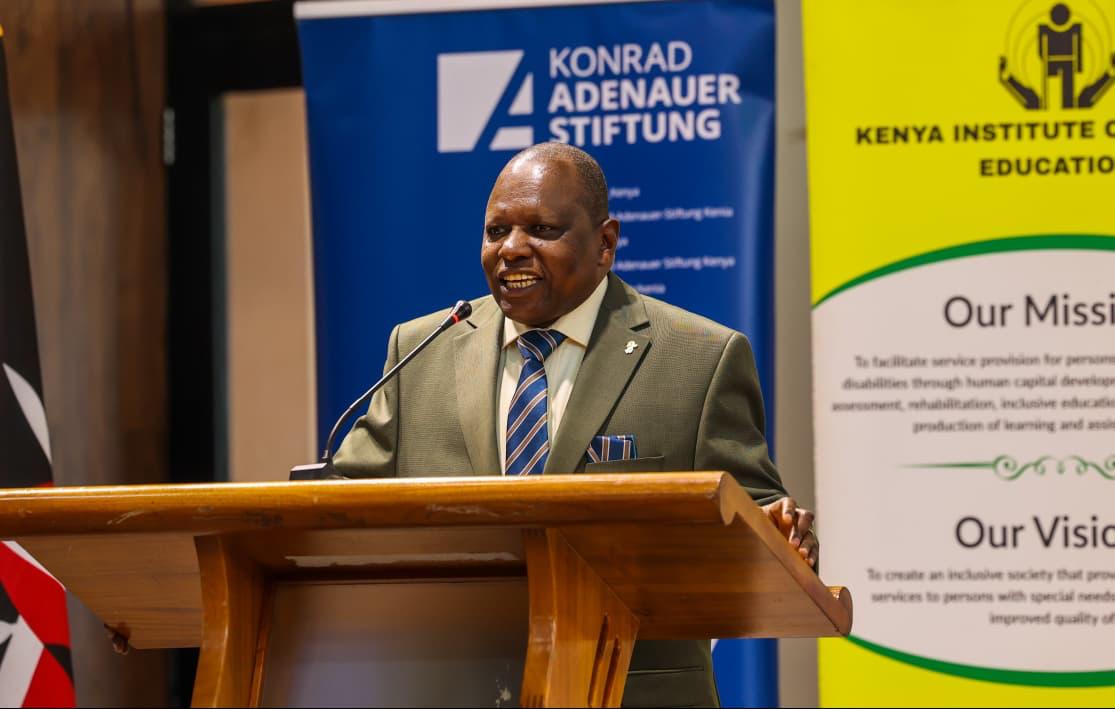
KISE Director Dr Norman Kiogora welcoming the stakeholders , set the tone early, calling for sustained dialogue and collective action rather than one-off gestures. He pointed to two major initiatives underway at the institute: The National Assistive Devices Factory, aimed at producing quality assistive devices built for Kenya's own context, and an ambitious nationwide needs assessment now running across all 47 counties to identify learners who require assistive devices and specialised learning materials.
''The data from that assessment will shape how resources and interventions are targeted going forward , turning good intentions into a national map of actual need.''
Dr.Norman Kiogora
Director KISE
The forum also marked a moment of institutional alignment. The recently established Office of Diversity, Inclusion and Disability Rights arrives with a mandate that dovetails directly with KISE's work on the ground on Policy Alignment , anchoring disability rights in the Constitution, the UN Convention on the Rights of Persons with Disabilities, and the Persons with Disabilities Act, 2025, Resource and Data Mapping ,coordinating national assessments, including with KISE, to geotag special needs facilities, infrastructure and assistive devices, Mainstreaming ,reinstating disability performance indicators in public sector contracts, so inclusion isn't optional, Inclusive Communication , championing sign language interpretation, accessible public messaging .Economic and Social Inclusion ,linking persons with disabilities to MSME funding, social protection cash transfers, and inclusive education and healthcare infrastructure under the Bottom-Up Economic Transformation Agenda (BETA).
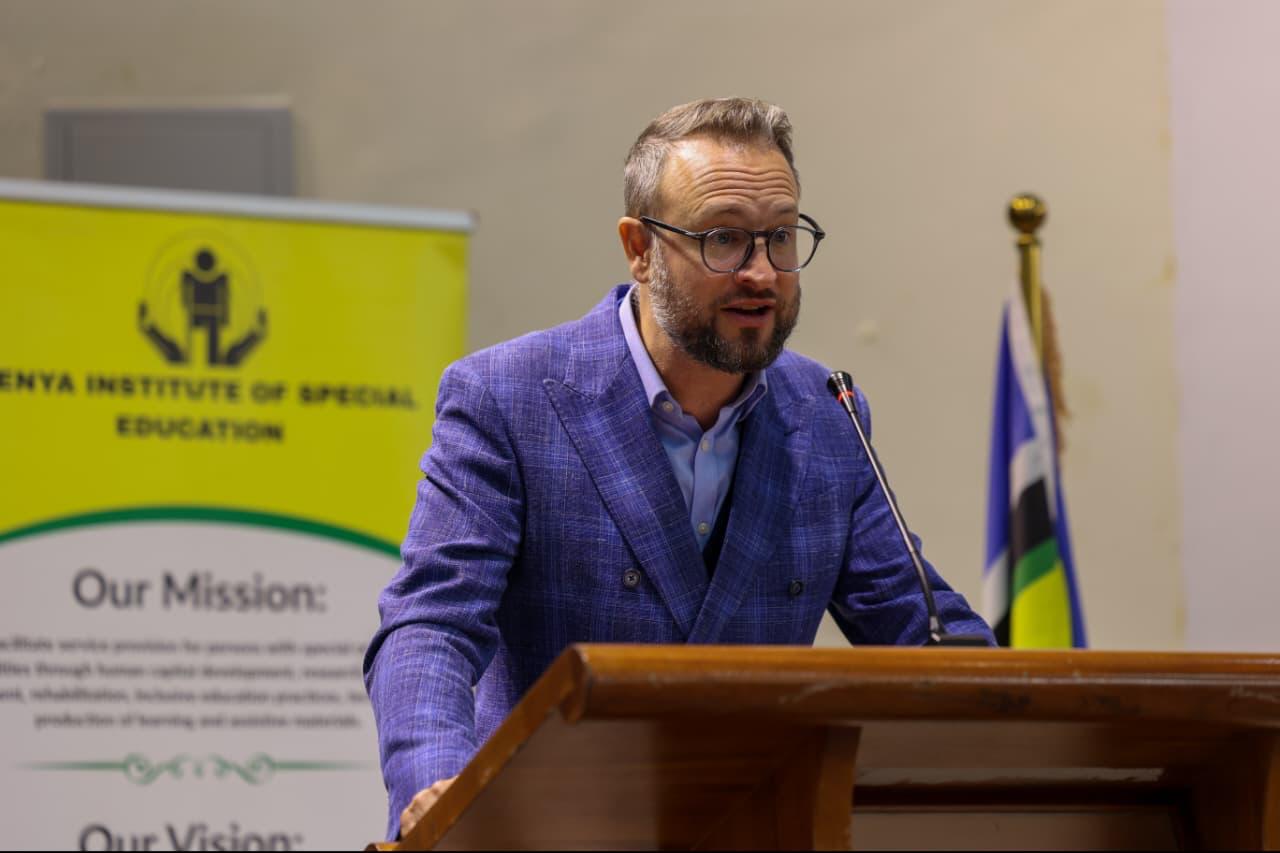
“Democracy is not only about majority rule; it is about ensuring that everyone is heard, has a voice and has an opportunity to participate. Inclusion and disability rights are therefore central to building a truly democratic society ''
Mathias Kamp
Konrad-Adenauer-Stiftung's
It's a mandate that positions the new office as a coordinating hub and KISE as one of its most natural partners, given the institute's existing reach into classrooms and communities across the country.
The morning's most resonant moments came, unsurprisingly, in the words of those closest to the work.
Konrad-Adenauer-Stiftung's Mathias Kamp called the office's establishment a milestone moment, pledging his organisation's continued support for inclusion, disability rights and democratic development. For him, the connection between democracy and disability rights runs deep: a truly democratic society, he argued, is measured by whether everyone not just the majority ,has a genuine voice and a real opportunity to participate.
From the Executive Office of the President, Mr Peter Mbugi framed the stakes in national terms, arguing that Kenya's diversity only becomes a strength when every citizen, regardless of background, has room to participate, contribute and prosper. Inclusion, he said, has to leave the realm of aspiration and show up in the everyday mechanics of government , in policy, planning, budgeting and service delivery.
“Every Kenyan must have a place in our national journey. Inclusion must move beyond aspiration and become a reality in government policies, planning, budgeting and service delivery, ensuring that every citizen is seen, heard and catered for.”
Peter Mbugi
Executive Office of the President
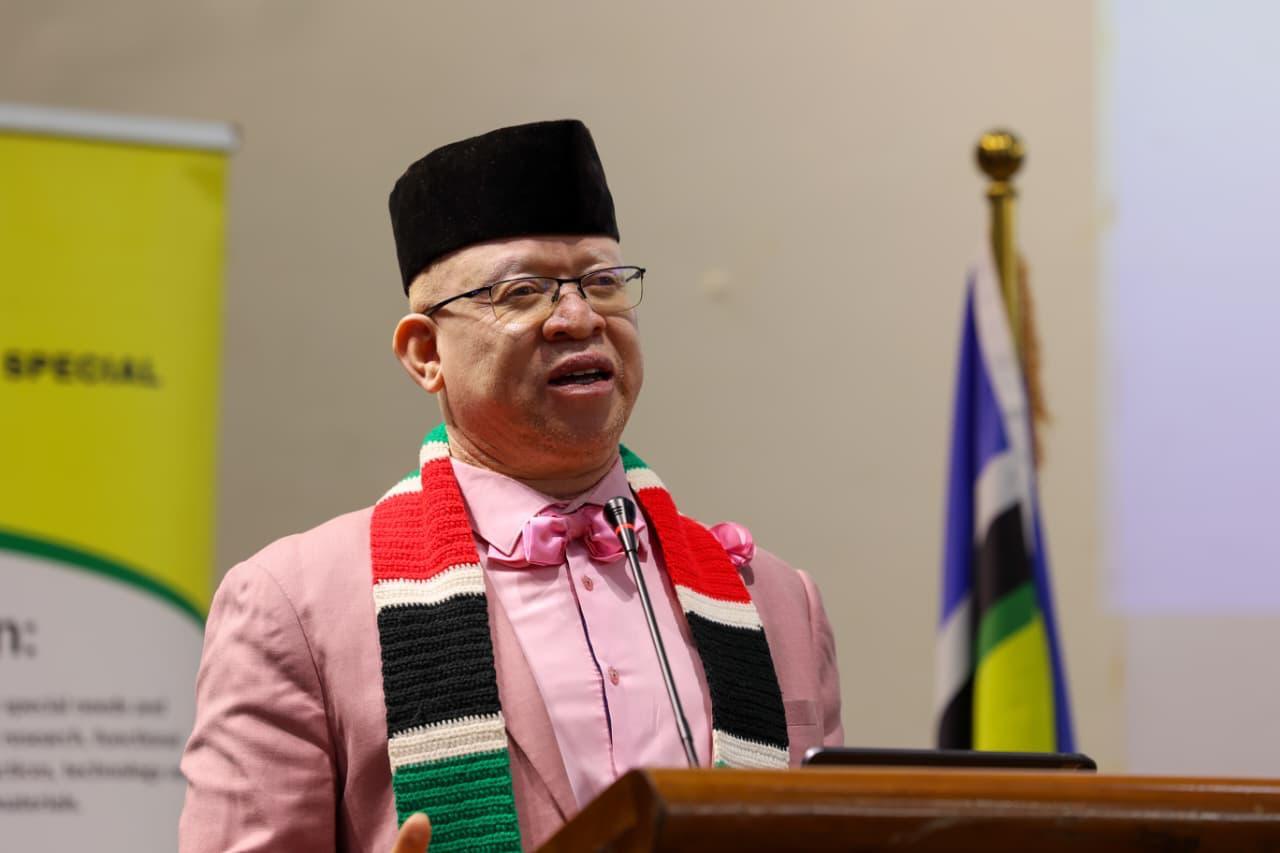
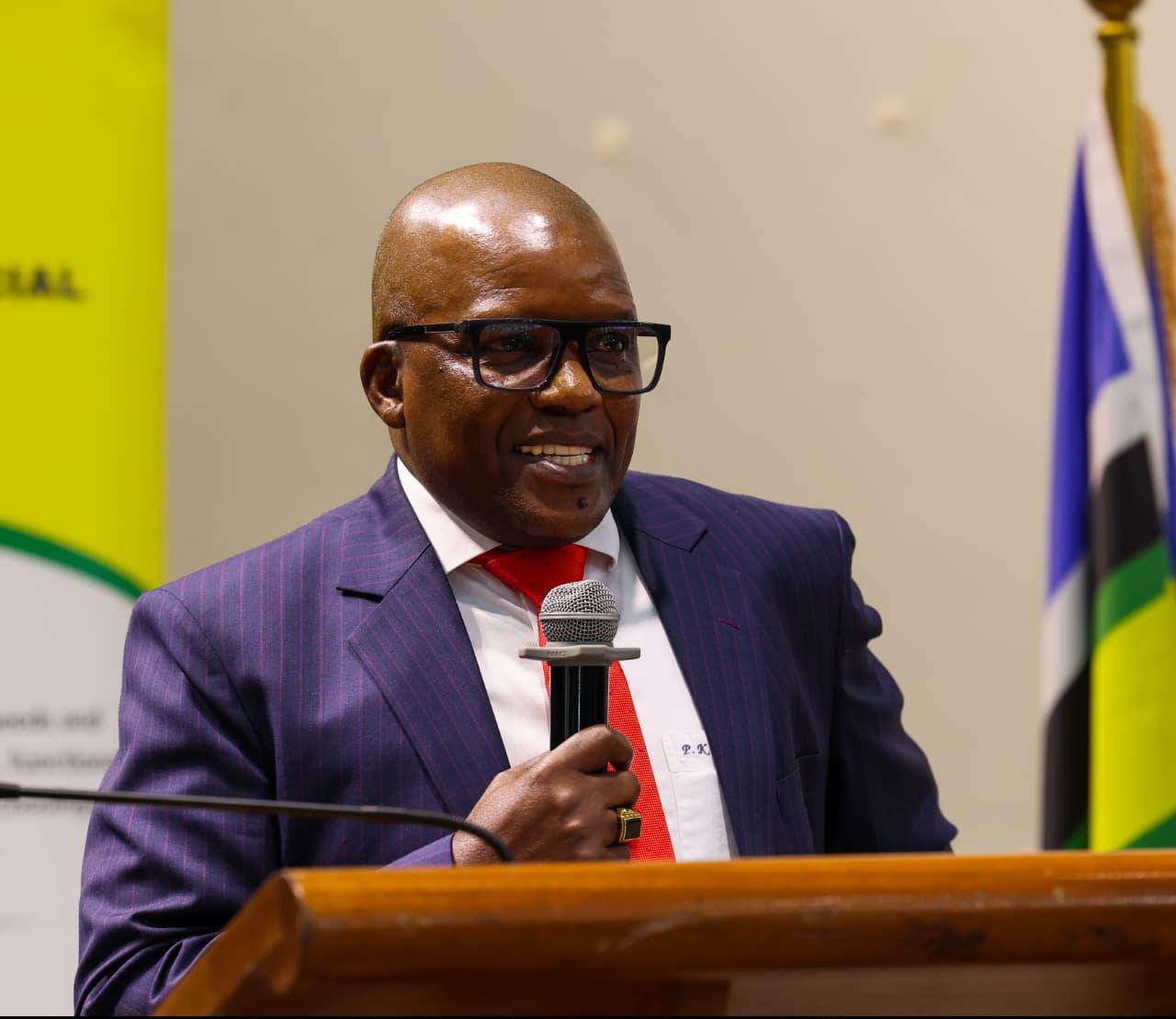
Perhaps the most concrete measure of progress came from Dr Isaac Mwaura, CBS, head of the Office of Diversity, Inclusion and Disability Rights, who shared numbers that gave the morning's discussion a tangible shape: more than 17,777 persons with disabilities have received assistive devices, 12,105 learners have benefited from scholarships and bursaries, and 99 institutions have received grants supporting inclusive education. Behind each number, organisers were quick to note, is a person whose access to school, work or dignity changed because of it.
More than 17,777 Persons with Disabilities have received assistive devices, while 12,105 learners have benefited from scholarships and bursaries and 99 institutions have received grants for inclusive education,”
Hon.Isaac Mwaura
Head of Office of Diversity,Inclusion and Disability Rights
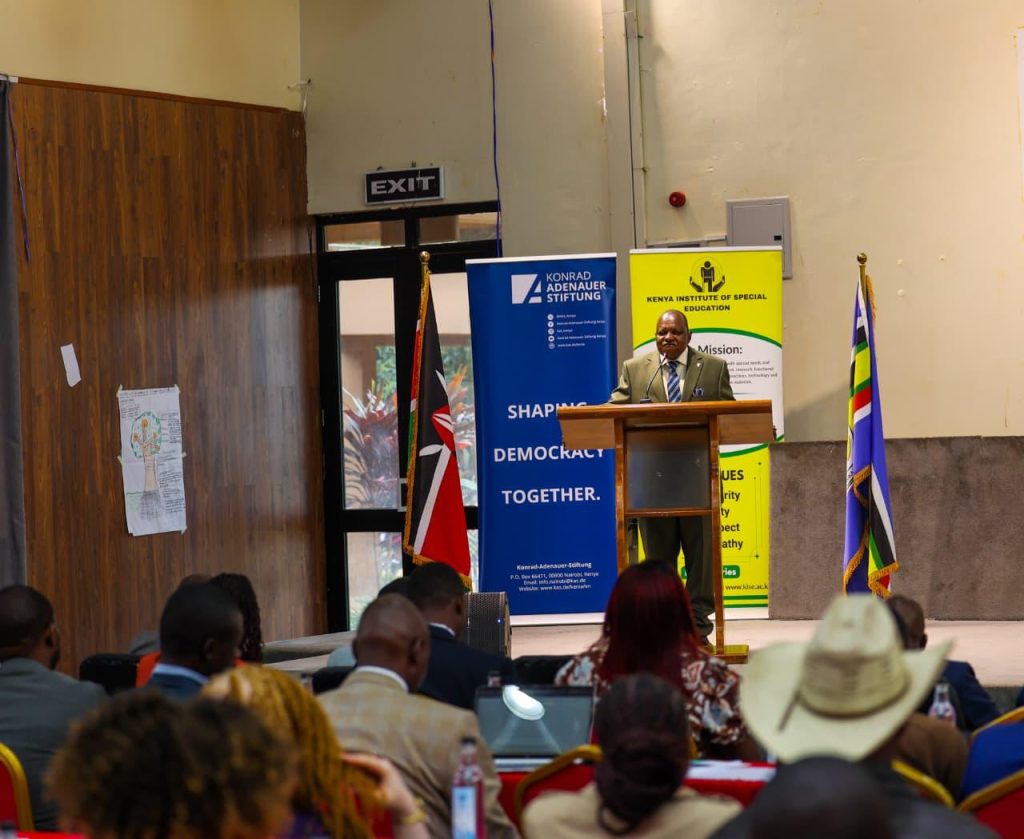
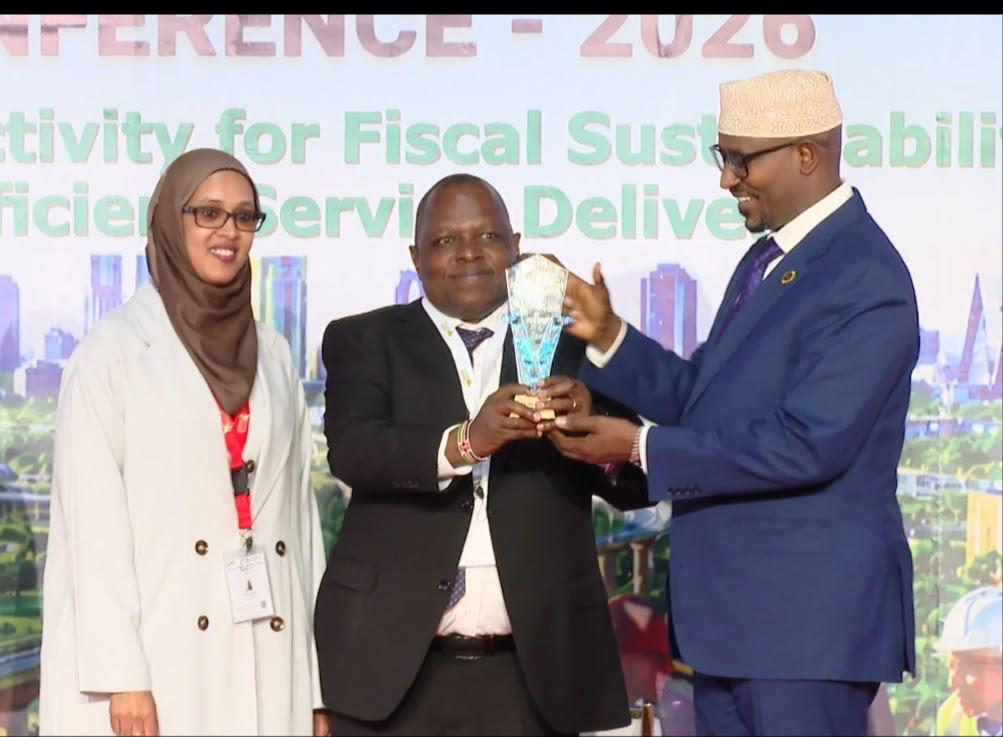
By the end of the morning, one message had settled over the room: inclusion is not the job of a single institution. It takes government agencies, private companies, development partners, disability organisations and communities moving in the same direction ,with the people most affected kept at the centre of every decision, not consulted after the fact.
For KISE, the forum reaffirms a role it has quietly built over years: not just an educator of learners with special needs, but a national anchor for assistive technology and disability inclusion policy.
Related Posts
FROM THE MARGINS TO NATIONAL EXCELLENCE: HOW KISE BECAME KENYA’S MOST IMPROVED STATE CORPORATION
Feature article by Nadia Muthoni At the Kenya School of Government, as the curtains closed…
Strategic Plan 2023-2028
View FullscreenSkip to PDF content
Josephine Mwangangi: A Story of Acceptance, Resilience, and Hope
Story done by Luke Lekishon revised and edited by Nadia Muthoni Some lives quietly challenge…
EVERYTHING YOU NEED TO KNOW ABOUT EPILEPSY: SYMPTOMS, RISKS, AND CARE
Research by Dr. Lynett Ong’era article by Luke Lekishon edited by Nadia Muthoni Epilepsy is…