Article by Luke Lekishon
Social stigma refers to attitudes, behaviors, or beliefs that negatively affect the well-being of individuals with unique characteristics, including disabilities. Stigma can diminish a person's sense of self-worth and make them feel excluded from meaningful participation in society.
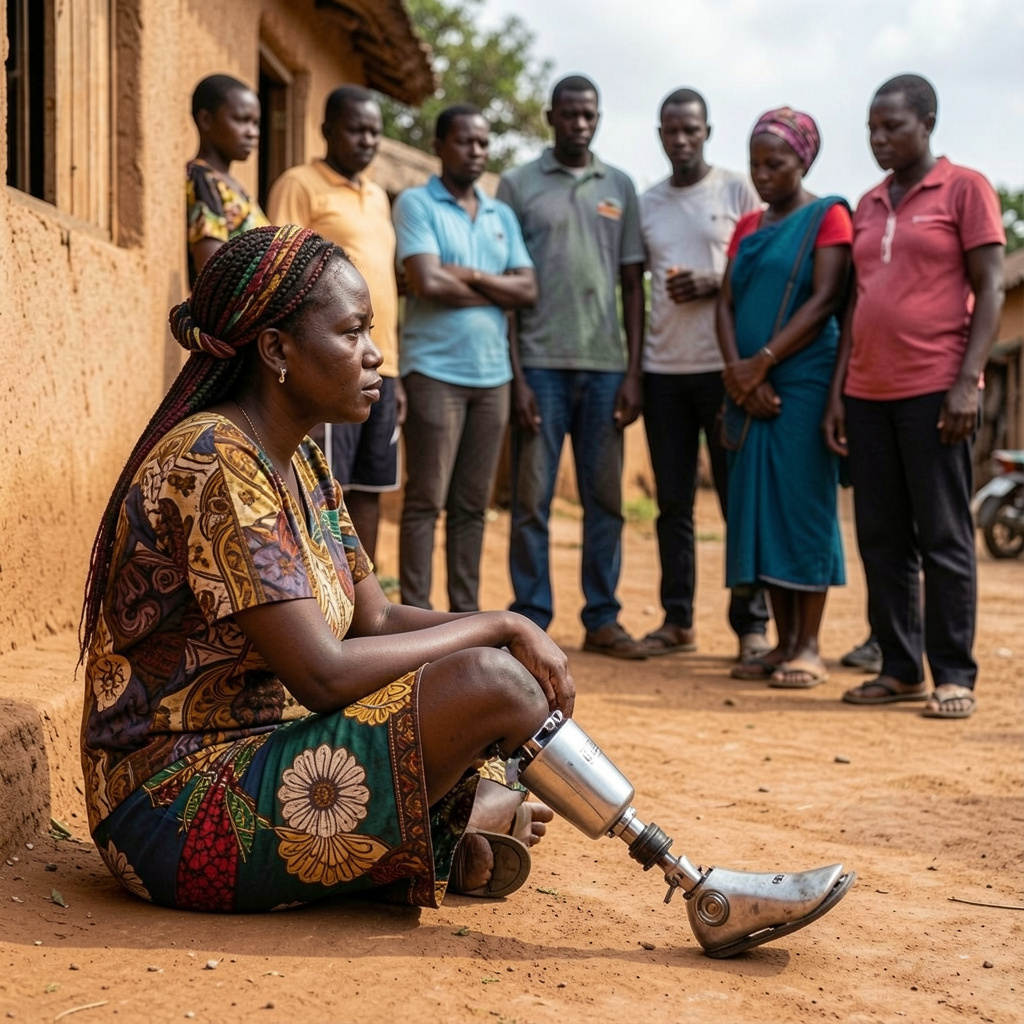
Stigma manifests in many ways today. It is the awkward silence that ensues when a person with a disability enters a space that is not disability friendly, or the uncomfortable stares they receive when they meet someone for the first time, or when persons with disabilities are treated like they are a burden. Stigma also manifests when persons with disabilities are excluded from social events like weddings, viewed as helpless, or denied opportunities in educational and professional settings because of false assumptions about their capabilities.
The effects of stigma can be severe. They include low self-esteem, depression, anxiety, and other mental health challenges. When society stigmatizes persons with disabilities, it creates barriers that are more limiting than the disabilities themselves. Too often, we forget that people with disabilities have feelings, aspirations, needs and the same rights as everyone else in society.
Through this article, we aim to provide practical ways for persons with disabilities to overcome stigma and achieve their full potential. The following five strategies can help:
STRATEGIES TO OVERCOME DISABILITY STIGMA
1. Pursue Education/Awareness About Your Condition
Education is one of the most powerful tools for overcoming stigma. It benefits both persons with disabilities and society as a whole. When individuals understand their condition and their rights, they are better equipped to challenge stereotypes and advocate for themselves. Education also helps society gain a deeper understanding of disability and promotes inclusion and acceptance.
2. Develop a Strong Sense of Self-Worth
Building confidence in your abilities enables you to stand firm in the face of prejudice and discrimination. A strong sense of self-worth helps you recognize your value regardless of how others may perceive you. When you believe in yourself, you are less likely to be affected by negative attitudes or assumptions that portray you as a burden.
dehumanizing.
3. Set Meaningful Goals
Having clear goals gives life direction and purpose. When you focus on achieving something meaningful, you are less likely to be distracted by negativity. Accomplishing your goals boosts self-esteem, builds resilience, and motivates you to continue striving for success despite challenges.
4. Surround Yourself with Positive People
The people you spend time with can greatly influence your outlook on life. Supportive friends and family members can strengthen your confidence and help you feel valued. Positive people focus on your strengths rather than your limitations, and they are often willing to make reasonable accommodations that enable you to thrive.
5. Take on Responsibilities
Whenever possible, volunteer for responsibilities in both professional and social settings. Taking on roles that match your abilities allows others to see your skills and contributions firsthand. By actively participating in society, you help challenge misconceptions about disability and demonstrate that disability does not mean inability.
A disability is a part of who you are, but it should never define your entire identity. Your talents, character, and contributions are what truly makes you unique. When you value yourself and take pride in your abilities, others are more likely to do the same. While everyone faces challenges, it is always possible to overcome obstacles, pursue your goals, and make a meaningful impact on society.
Related Posts
HIGH-LEVEL BREAKFAST MEETING AT KISE SIGNALS A NEW ERA OF COORDINATED ACTION FOR PERSONS WITH DISABILITIES
Article by Nadia Muthoni For years, the story of disability inclusion in Kenya has too…
FROM THE MARGINS TO NATIONAL EXCELLENCE: HOW KISE BECAME KENYA’S MOST IMPROVED STATE CORPORATION
Feature article by Nadia Muthoni At the Kenya School of Government, as the curtains closed…
Strategic Plan 2023-2028
View FullscreenSkip to PDF content
Josephine Mwangangi: A Story of Acceptance, Resilience, and Hope
Story done by Luke Lekishon revised and edited by Nadia Muthoni Some lives quietly challenge…