By Nadia Muthoni

Think with me for a minute. It’s a busy day, and you’re up and about, navigating the streets of Nairobi. You notice a man with a white cane waiting at the edge of a crosswalk. Instinctively, you hurry over, gently grab his arm, and begin to guide him across the street. Halfway through, the man firmly says, “Excuse me, I didn’t ask for help.” You stop, embarrassed, and realize he had already positioned himself correctly, listening carefully to the traffic flow, waiting for the sound cue that signals it’s safe to cross. Your good intentions, though genuine, took away his moment of independence and control, something he works hard to maintain every day. That right there is why disability etiquette matters. Help should always begin with consent. Instead of assuming, we can simply ask, “Would you like some help?”

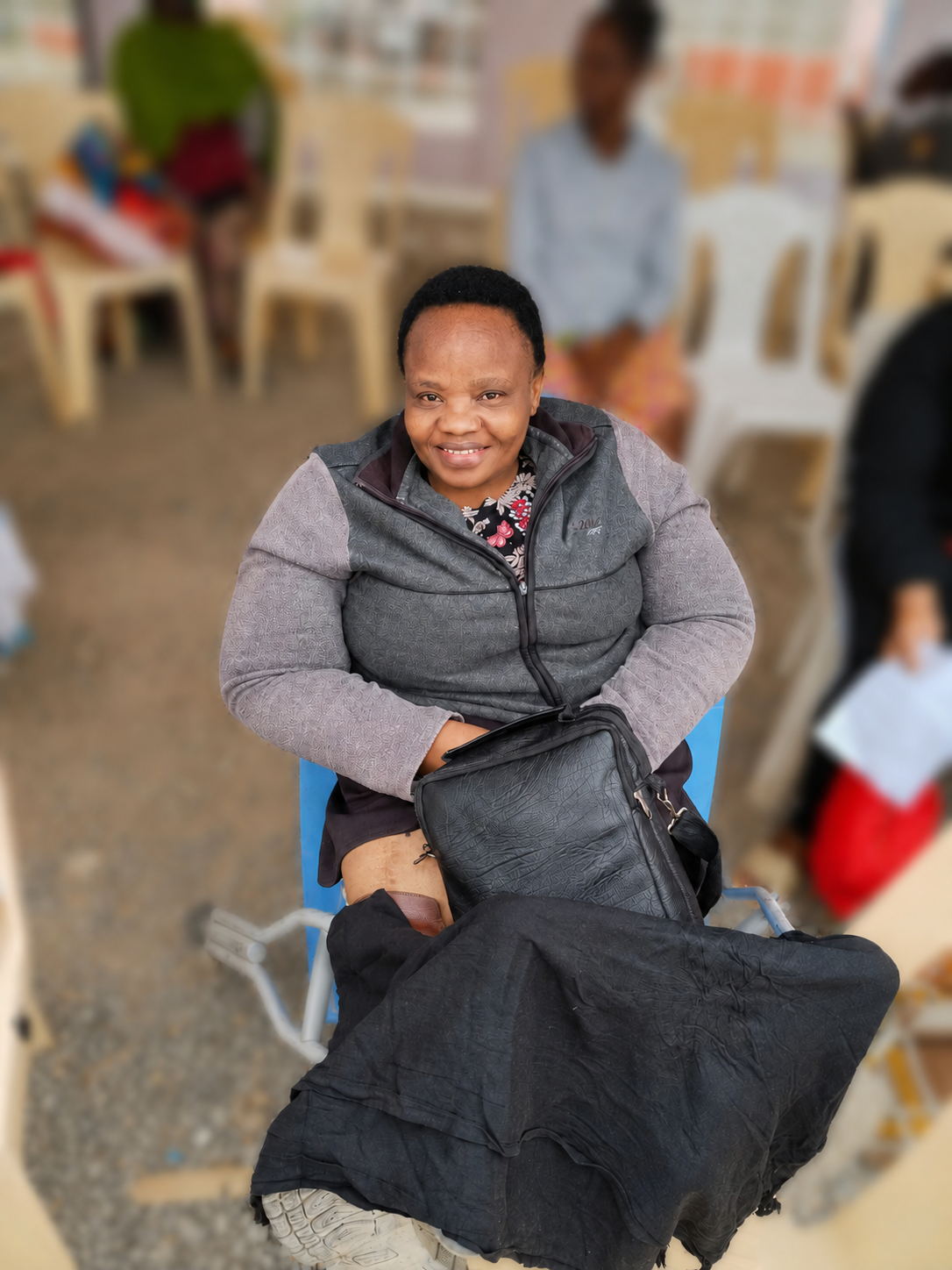
Now picture another scene. You’re at a community event, and a young woman who uses a wheelchair rolls up to the registration desk. Before she can even speak, a volunteer rushes behind her and starts pushing her chair toward the entrance, saying brightly, “Where do I take you?” The woman immediately grips her wheels and replies calmly, “I appreciate your kindness, but I prefer to move myself.” The volunteer, though well-meaning, didn’t realize that by acting without asking, they had taken away her sense of independence and choice. What was meant as help turned into discomfort and loss of agency.

Do we see how, instead of empowering persons with disabilities to do things with dignity, we sometimes unintentionally take that away from them? Disability etiquette teaches us that assistance should never be assumed. A respectful approach begins with a simple question: “Would you like me to assist you?” True inclusion isn’t about doing things for persons with disabilities, it’s about empowering them to do things with dignity and autonomy. Inclusion begins with respect, and respect often begins with understanding.

As our society continues to embrace diversity, one area that still requires greater awareness is disability etiquette, the simple, yet powerful practices that make interactions with persons with disabilities more considerate, dignified, and empowering. Disability etiquette refers to the respectful ways of interacting and communicating with persons with disabilities. It’s about recognizing that disability is not a limitation, but a different experience of the world. Every person, regardless of ability, deserves to be treated with dignity, equality, and empathy.

Many people with disabilities face not only physical or structural barriers but also social and attitudinal ones. Awkwardness, pity, or avoidance often stem from misunderstanding rather than malice. Learning proper disability etiquette helps break these barriers, ensuring that everyone feels included at school, at work, and in our communities.

Here are a few simple guidelines to keep in mind.
  1. See the person, not the disability. Use person-first language such as “a person with a disability” instead of “a disabled person.”
  2. Ask before you help,don’t assume someone needs assistance. Offer politely, and if declined, respect their independence.
  3. Speak directly to the person. When communicating with someone who has an interpreter or companion, always address the individual, not the helper
  4. Respect personal space and mobility aids ; a wheelchair, cane, or assistive device is part of someone’s personal space. Don’t touch or lean on it without permission.
  5. Be patient and listen. Some people may take longer to communicate or respond; allow time, and don’t interrupt or finish their sentences.
  6. Use inclusive language. Avoid terms that imply pity or limitation, such as “confined to a wheelchair” or “suffers from.” Instead, say “uses a wheelchair” or “lives with.”
  7. Create accessible spaces in offices, at schools and around the community. Accessibility should be a standard, not an afterthought. Simple adjustments like ramps, wider doors, or captioned videos can make a world of difference.
  8. True inclusion isn’t just about policies or infrastructure ,it’s about mindset. When we treat people with disabilities as equals, we affirm their right to participate fully in all areas of life and that helps shift the narrative from sympathy to respect, from exclusion to empowerment.
  9. Every one of us has a role to play. Parents can teach children to interact respectfully. Employers can create inclusive workplaces. Schools can model acceptance and understanding. The media can highlight ability, not disability.

As we embrace the spirit of inclusion, let’s remember: etiquette isn’t about perfection it’s about kindness. A respectful word, a thoughtful pause, or a simple gesture can open doors of belonging that laws alone cannot. Inclusion begins with how we treat one another. Let’s make respect the norm, not the exception.

Post a comment

Your email address will not be published.

Related Posts